Start with this: Nha Trang does not follow the rainfall pattern of either the north or the south. When Hanoi and Ho Chi Minh City are deep in their mid-year rains, this coast is dry, and the reverse holds later in the year.
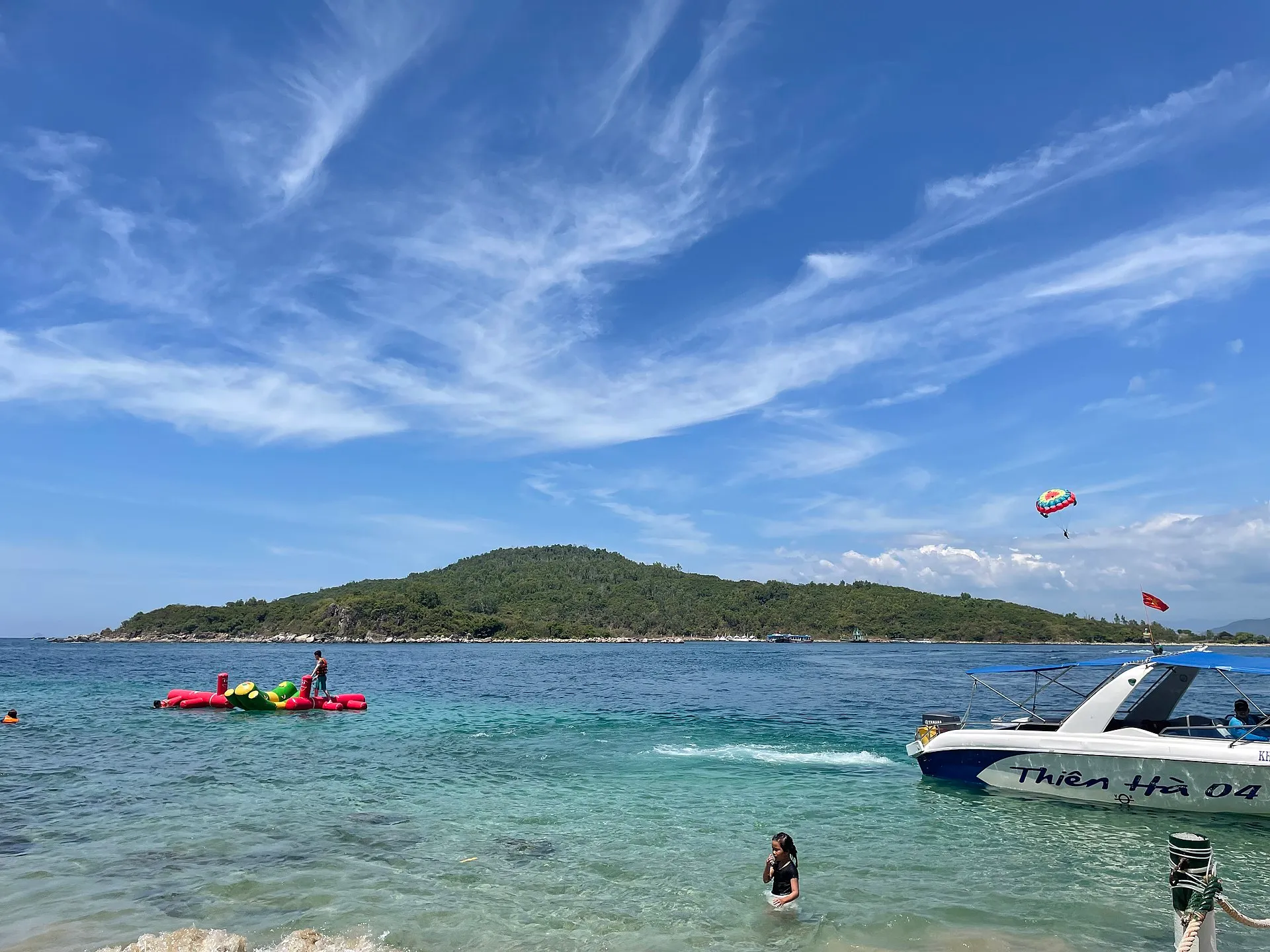
The dry season runs roughly January to August. Calm sea, clear skies and good underwater visibility — which is to say, the right window for island trips and snorkelling. The fiercest heat lands somewhere between May and August.
The wet season falls around September to December, heaviest in October and November. This is also typhoon season for the south-central coast. The rain rarely lasts all day, but rough seas get island boat tours cancelled — and for a trip built around the water, that is the real risk.
Choosing. For dependable conditions in the water, aim for March to June. To dodge crowds and peak pricing, avoid the late-April public holiday and the domestic summer rush. Travelling in the wet season still works if you keep the itinerary flexible and don’t stake the whole trip on a single island day.
Temperatures stay in a comfortable band year-round and it is rarely cold, so the deciding factors are almost always rain and swell rather than heat.